Ice Dam Removal in Bozeman, MT
Ice dam removal in Bozeman means one method: low-pressure steam. It is the only way to take a dam off a roof without damaging the roof in the process, and it is what the crews we refer you to run. If there is water coming through a ceiling right now, call and say so — that changes where you sit in the day.
Ice dam removal is separate work from clearing snow off a roof, even though the two often happen on the same visit. Snow is shovelled; ice has to be melted out. A crew that turns up for ice dam removal without a steamer is not equipped for the job you called about.
What an Ice Dam Actually Is
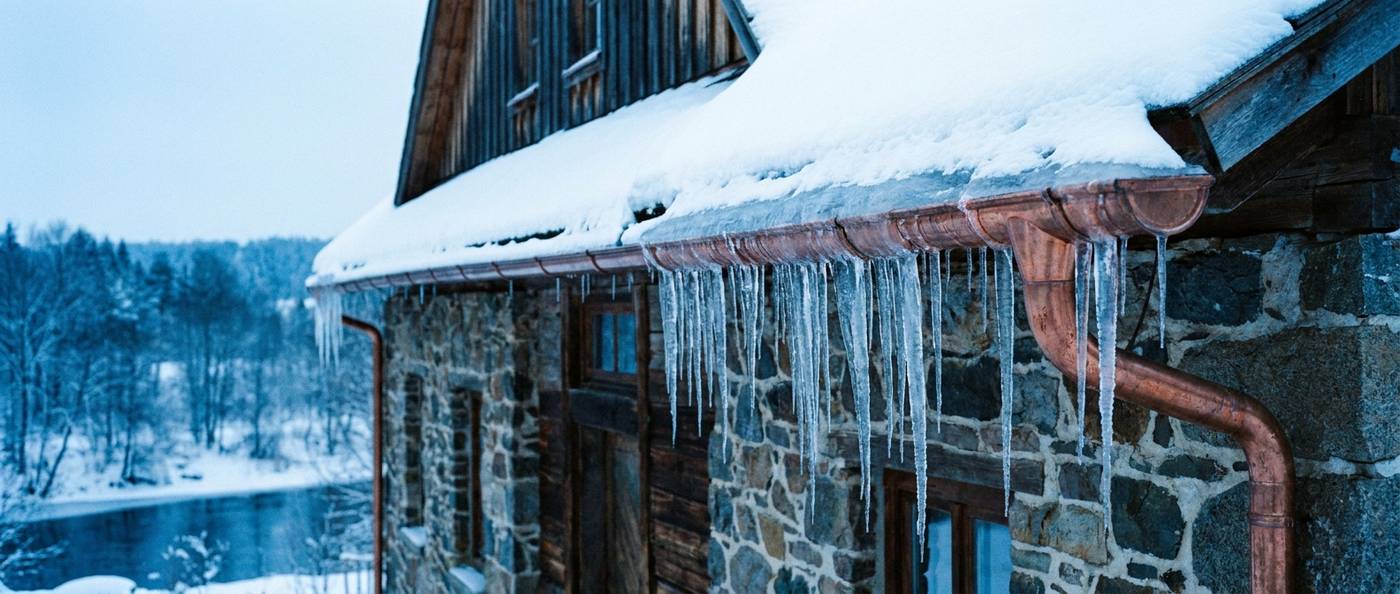
Heat escapes the living space into the attic. It warms the roof deck from below. Snow on the warm upper part of the roof melts even though it is well below freezing outside. That meltwater runs down the roof until it reaches the eave — which overhangs unheated space and stays cold — and there it refreezes. Do that for a few days and you have a ridge of ice at the bottom of the roof with a pond behind it.
Water in that pond is not moving anywhere. Roofs shed water by gravity; they are not watertight vessels. Standing water works its way back up under the shingle courses, through nail holes and seams, and into the structure. This is why the damage from an ice dam shows up as a ceiling stain in a bedroom rather than as a puddle by the gutter, and why ice dam removal is a structural priority rather than a cosmetic one.
Why Bozeman Needs Ice Dam Removal Every Winter
Bozeman has the exact combination that produces ice dams: enough snow to keep a roof loaded through the winter, cold clear stretches that keep eaves well below freezing, and a good stock of older houses with original eave details and decades-old insulation. The city's own design criteria classify local weathering as Severe and list an ice barrier as required under IRC R905.1.2 — the self-adhering membrane at the eave that is meant to keep backed-up water out of the structure.
Newer construction to that standard fares better. Bozeman's building stock is heavily post-1990, which is genuinely good news for ice dams. The houses that call for ice dam removal are disproportionately the older ones near downtown — the Cooper Park and Northeast historic neighbourhoods, where 1930s bungalows with exposed rafters and deep porch overhangs ice up the same way every winter.
The Steam Method for Ice Dam Removal
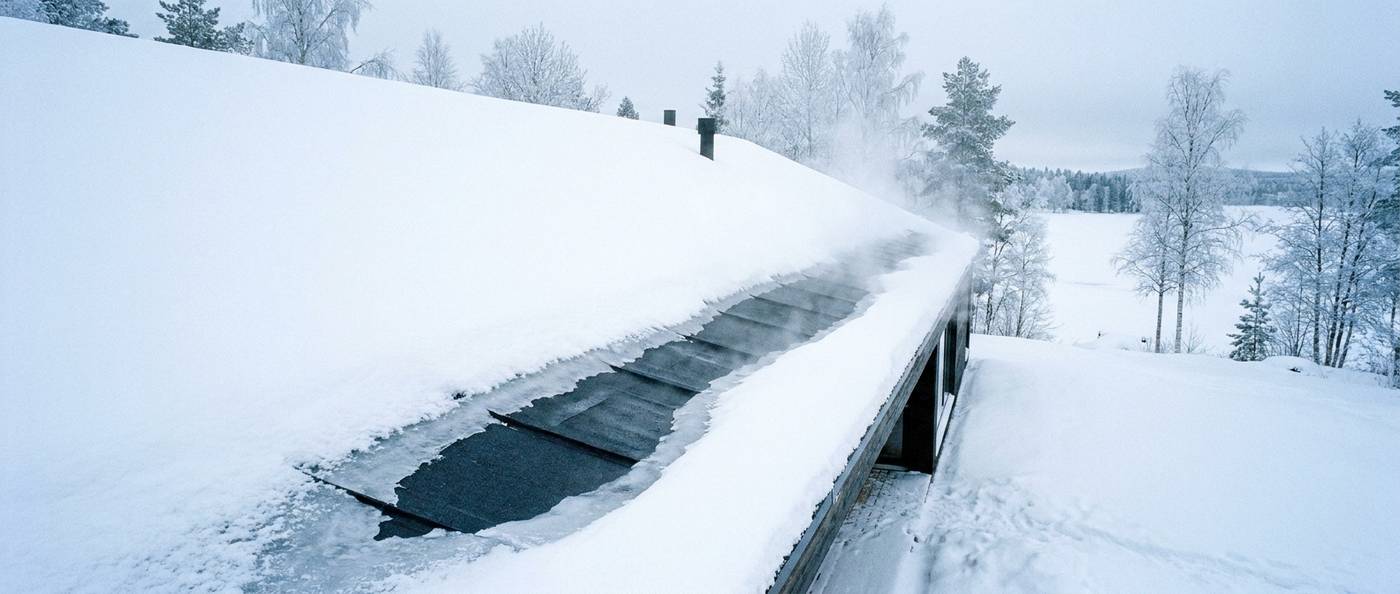
A low-pressure steamer delivers hot steam at low force. The operator cuts channels through the dam, works the ice loose in sections, and lifts it off the roof. The roofing underneath is never struck, pried or scraped. It is slower than swinging a hammer and that is the point — the roof is still a roof afterwards.
The distinction that matters: a steamer is not a pressure washer. A pressure washer uses force and cold water, and it will strip granules off asphalt shingles and drive water into places it should not go. If somebody arrives at a Bozeman ice dam with a pressure washer, send them away.
What Ice Dam Removal Actually Clears
The eave dam is the headline, but it is rarely the only ice on the roof. Proper ice dam removal also addresses ice packed in the gutters and downspouts (which is why the water had nowhere to go), ice in valleys where two roof planes meet and meltwater concentrates, ice at roof-to-wall junctions where a lower roof meets a vertical wall, and ice around skylights and chimneys, which are common leak points because the flashing there is already the most complicated part of the roof.
After Ice Dam Removal — Stopping the Next One
Ice dam removal by steam solves today's leak. It does not solve the heat loss that caused the dam, which is why the same eave dams every year in the same house. The durable fixes are attic air-sealing and insulation, better attic ventilation so the deck stays cold, and where those are impractical, heat cable at the eaves and valleys to keep a drainage path open through the winter. Any crew worth calling will tell you which of those applies to your roof.
If Water Is Coming In Right Now
Put a bucket under it. If the ceiling is bulging, a small hole at the low point drains it in a controlled way rather than letting the whole thing let go — unpleasant advice, but far cheaper than a collapsed ceiling. Photograph everything before you clean anything up; that is your insurance documentation. Then call. Active leaks are the calls that get moved to the front, and they are the reason emergency service exists.