Emergency Roof Snow Removal in Bozeman, MT
Emergency roof snow removal is for the situations where waiting makes the bill bigger. Water already inside the house. A ceiling that is sagging. A roof line that has developed a dip. An exit, a gas meter or a furnace vent buried by shed snow. Call and describe what is happening — those calls get moved ahead of routine clearing.
The Five Emergency Roof Snow Removal Calls That Cannot Wait
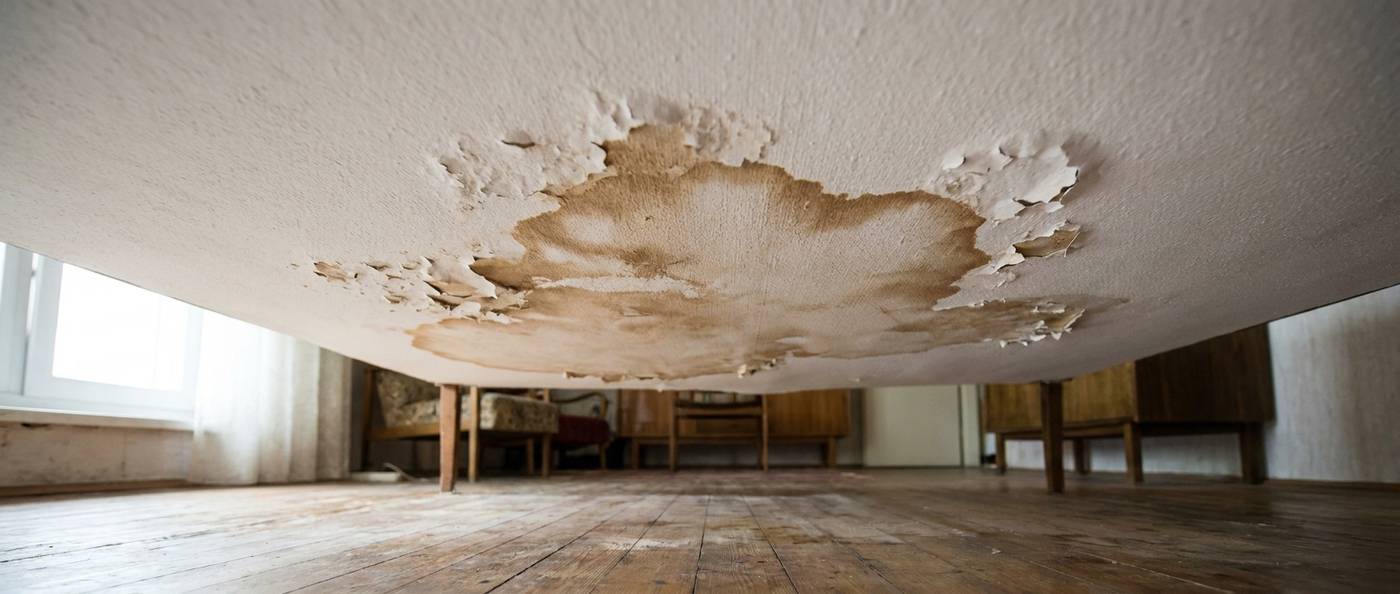
1. Active water entry. Water through a ceiling or down an interior wall during a snow event is almost always an ice dam backing water under the roofing. Every hour it continues, more insulation, drywall and framing gets wet. See ice dam removal.
2. A sagging or bulging ceiling. That is trapped water with weight behind it. A bulging ceiling is a warning that the section is about to let go.
3. Structural signs under load. A visible dip in a ridge, doors and windows that have suddenly stopped closing, new cracks above door frames, creaking under load. On a loaded roof these mean get the weight off now and diagnose afterwards.
4. Blocked egress. Snow shed off a steep roof piling in front of the only usable exit is a life-safety problem, not an inconvenience — and it is exactly what snow retention is designed to prevent.
5. Buried vents and meters. A high-efficiency furnace or water heater vents through a side wall or low roof. Bury it under shed snow or drift and combustion gases have nowhere to go but back inside. Gas meters and regulators need clearance too. This is the one people underestimate.
Before the Emergency Roof Snow Removal Crew Arrives
Containers under the drips, and move furniture and anything absorbent out of the way. If a ceiling is visibly bulging with trapped water, putting a small hole at the lowest point lets it drain in a controlled stream rather than letting the whole section fail at once — it feels wrong and it is the right call.
Photograph everything before you clean up. The stain, the drip, the ice at the eave, the wet insulation, anything damaged. Insurers ask, and the documentation is much harder to reconstruct once you have mopped. Note the date and time.
And stay off the roof. A snow-covered roof at night in a storm is how a leak becomes a hospital visit.
What Emergency Roof Snow Removal Costs
Emergency roof snow removal and after-hours work carries a premium over scheduled clearing, which is normal in every trade and worth knowing in advance. National ice dam figures run $150 to $700 per hour with steam jobs commonly $800 to $2,400. Set against a soaked ceiling, wet insulation and the drywall repair that follows, the arithmetic usually favours calling early. Full ranges on the cost page.
On Insurance
As a general pattern, homeowners policies do not cover the cost of removing ice or snow — that is treated as maintenance — but they generally do cover the resulting water damage, subject to your deductible. Some carriers will cover removing the specific portion of a dam causing an active leak. This varies by policy and carrier, so call yours; we are describing how these policies commonly work rather than making a promise about yours.